@CsTominagaon X · 2026-08-27
A tamper-evident, on-chain timestamp of what this post said. Captured 2026-08-27 12:43 UTC.
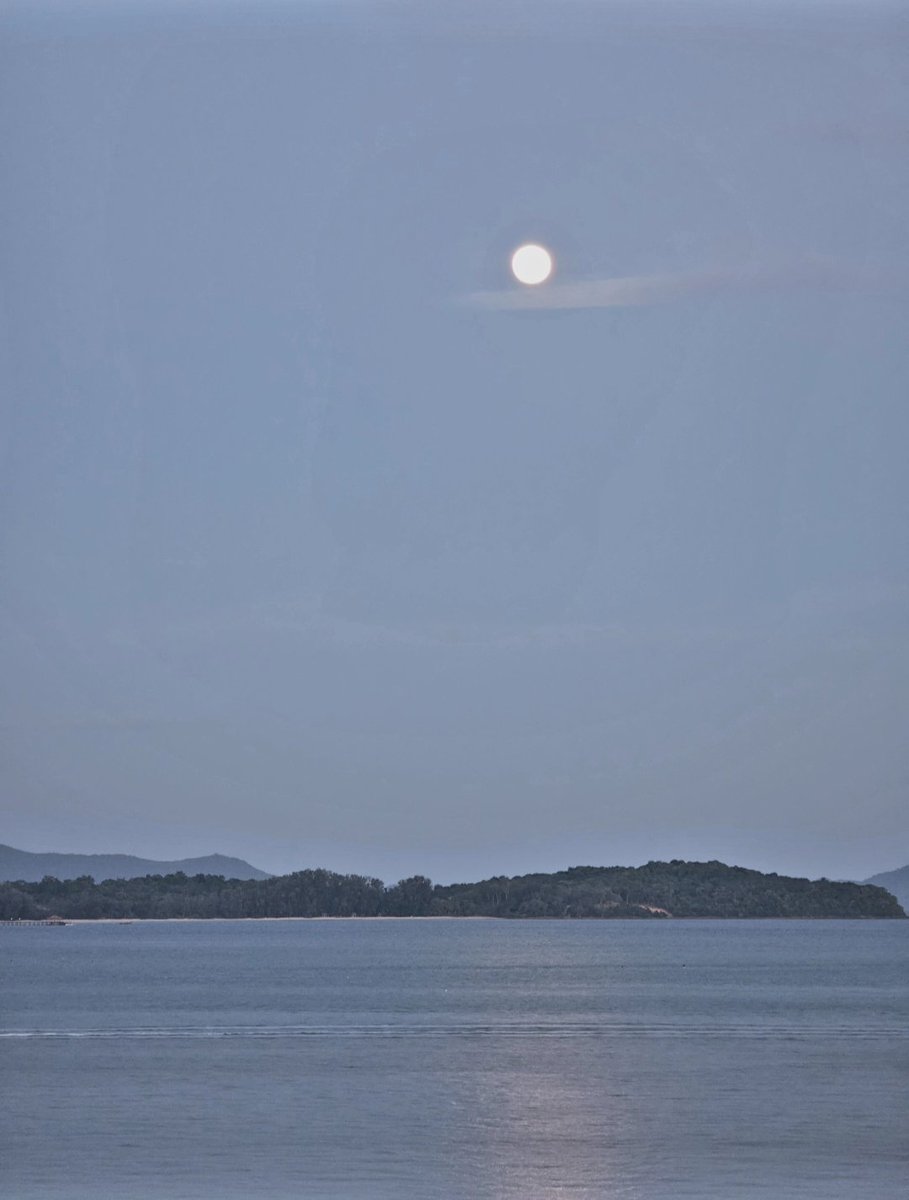
Tonight’s view is rather better than most offices. That, of course, is the part people see. They see the moon over the water. They see the house, the travel, the books, the publications, the things that eventually worked. Success has a wonderful habit of appearing effortless once the labour that produced it has become invisible. What they do not see is the accumulation. The evenings spent reading when somebody else was watching television. The weekends sacrificed to a problem that refused to yield. The manuscripts rejected, rewritten and sent somewhere better. The ideas that consumed months and produced absolutely nothing. The years in which the outcome was uncertain but the work continued anyway. People are curiously eager to inherit the result while negotiating away the price. Academia is especially susceptible to this. It teaches people to analyse incentives with extraordinary sophistication and then occasionally produces people astonished that their own incentives have consequences. You cannot demand exceptional outcomes while insisting upon ordinary effort. Nor is there anything noble about deliberately remaining economically ineffective. Poverty does not make scholarship purer. Obscurity does not make an argument deeper. And being badly rewarded is not evidence that one’s work is important. The world is remarkably indifferent to how clever we privately believe ourselves to be. It rewards what we make useful, persuasive, difficult to replace, or impossible to ignore. There is a certain comfort in blaming institutions, markets, publishers, administrators, governments, funding bodies and everyone else for the life one has constructed. The much less comfortable possibility is that life is, to a considerable extent, cumulative. So is scholarship. So is reputation. So is wealth. And the moon is considerably prettier when one remembers what it cost to have the time to sit still and look at it.
Verify it yourself: the manifest is the exact JSON whose
SHA-256 is 63167dbfd44d92071466ba7398d721b785ec6a89164c0582ed3a3b2949f1f2ff; it binds the tweet id, author, post time, and the SHA-256 of the text above. Re-hash the text to match ef3add750a7d92f2f5613f88281f9399f9cd5b6d6591cd0afb63a5f60e138295, and read the anchor transaction's OP_RETURN
bsv.cx / x1 / 63167dbfd44d92071466ba7398d721b785ec6a89164c0582ed3a3b2949f1f2ff — the block's timestamp proves the post said this at or before that time,
with no trust in bsv.cx. Content archived via the X API.